The Northeast Florida Regional Council (NEFRC) secured a grant from the U.S. Department of Defense Office of Local Defense Community Cooperation (OLDCC) to conduct a Military Installation Readiness Review (MIRR) for Northeast Florida.
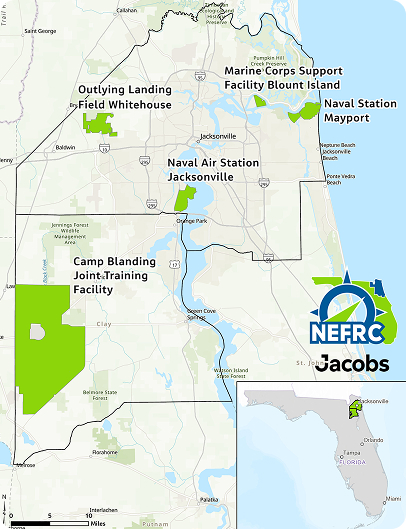
MIRRs help state and local communities identify and address risks that may affect military installation readiness. In Northeast Florida, the review examined the risks, hazards, and vulnerabilities within the region that could affect four military installations in Duval and Clay counties: Naval Air Station Jacksonville, Naval Station Mayport, Marine Corps Support Facility Blount Island, and Camp Blanding Joint Training Center.
The installations included in this study are:
Naval Air Station Jacksonville
Naval Station Mayport
Marine Corps Support Facility Blount Island
Camp Blanding Joint Training Center
Explore the MIRR StoryMap
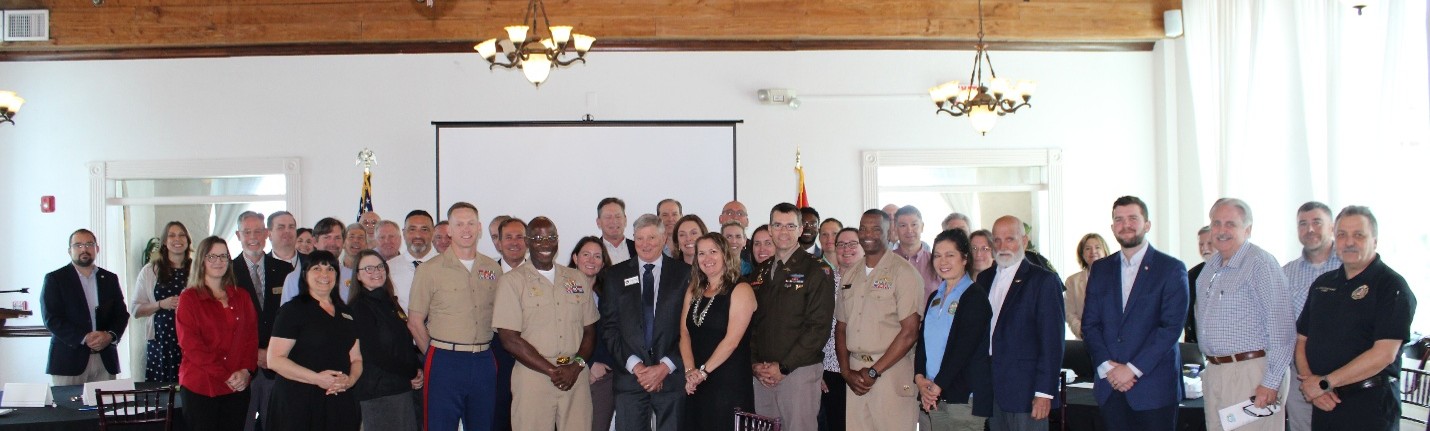
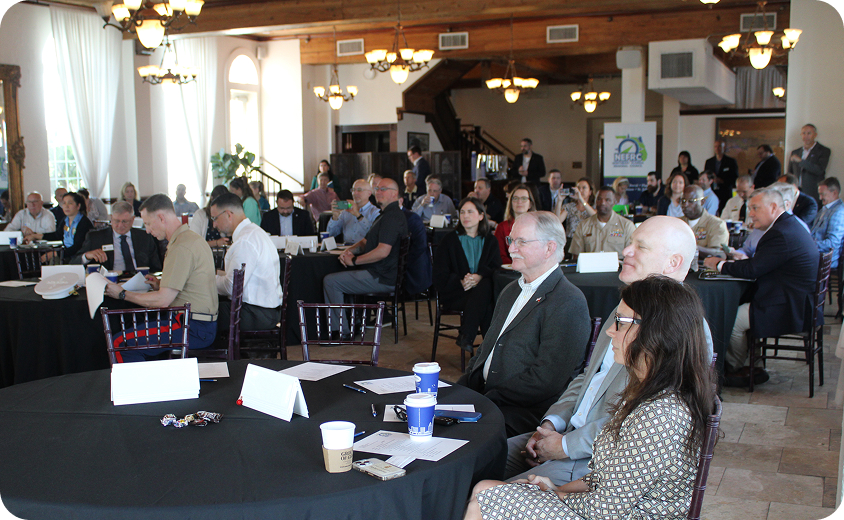
The StoryMap below presents the results of 18 months of collaborative planning among the four military installations and their local and regional partners. The project examined the connections between military missions, surrounding communities, and regional infrastructure to better understand the factors that influence installation readiness and the systems that support military operations.
Identifying Regional Connections and Vulnerabilities
During the initial planning phase, installation representatives identified mission-critical assets and systems located beyond installation boundaries that are essential to military readiness. These included transportation networks, electrical infrastructure, wastewater systems, regional shorelines, conservation lands, and other community systems that support military operations and personnel.
Stakeholder engagement was a critical component of the MIRR. The planning process brought together two primary groups:
- Steering Committee: Provided leadership, strategic direction, and consensus-based guidance throughout the planning process.
- Technical Advisory Committee: Provided technical expertise and subject matter knowledge to support vulnerability assessments, adaptation discussions, and strategy development.
Together, these partners helped identify how regional systems and community conditions can affect military operations and installation readiness.
Key Hazards and Vulnerabilities
The vulnerability assessment and stakeholder input identified a range of hazards, shocks, and stresses affecting the region. A few key findings included:
- Sea level rise, storm surge, and erosion threatening shoreline assets and transportation corridors, including A1A, wetlands, and Atlantic shorelines near Naval Station Mayport and Marine Corps Support Facility Blount Island.
- Limited redundancy in critical utility and transportation networks, including potable water systems, electric supply substations, and freight rail infrastructure.
- Wildfire and encroachment pressures affecting conservation lands and surrounding areas near Camp Blanding.
These findings demonstrated the interconnected nature of military readiness and regional infrastructure and the importance of addressing vulnerabilities beyond installation boundaries.
From Planning to Action
The MIRR resulted in the development of 21 Adaptation Project Packages across the four installation areas. The packages combine projects, policies, and partnerships to address identified vulnerabilities and support installation readiness.
Collectively, the project packages include:
Rather than addressing individual assets or hazards in isolation, the project packages take a system-based approach, identifying integrated solutions that can improve the reliability and performance of interconnected infrastructure and community systems that support military missions.
What's Next – Implementation
The MIRR was developed with action in mind—not just planning. To help advance the recommended projects, NEFRC developed a suite of implementation resources for each project package. These resources provide guidance related to partnerships, policy and planning, prioritization, funding opportunities, and long-term investment strategies.
Together, the MIRR findings and implementation resources provide a framework for military installations, communities, and regional partners to continue working together to address vulnerabilities, strengthen supporting systems, and advance military installation readiness.



 Subscribe to Our Mailing List